INICIO / NOTICIAS / Noticias de la industria / Tipos de válvulas hidráulicas explicadas: selección de presión, flujo, direccional y de cierre
2026-08-24
Contenido
Cuando una prensa hidráulica de repente no puede alcanzar su presión de trabajo especificada, la bomba rara vez es la causa principal. Una válvula de alivio que se abre unos cuantos bares antes, un carrete direccional desgastado que gotea a través de sus pistas o un asiento de válvula de retención que contiene una pequeña partícula producirán el mismo síntoma: la presión aumenta a 170 bar en lugar de 250 bar. La forma más rápida de diagnosticar y solucionar esto es saber exactamente con qué familia de válvulas hidráulicas está tratando.
Las válvulas hidráulicas se dividen en cuatro familias funcionales: control de presión , control de flujo , control direccional , y comprobar o apagar . Cada familia tiene un rol específico, un conjunto de tipos de construcción y sus propios modos de falla. Si selecciona una válvula primero por su función y luego por su tamaño, material y accionamiento, casi todos los problemas del circuito hidráulico se vuelven más fáciles de prevenir, diagnosticar y reparar.
Una válvula hidráulica es un componente mecánico que controla la presión, el caudal o la dirección del fluido hidráulico en un circuito. Se encuentra entre la bomba, el tanque y el actuador y decide adónde va el aceite, qué tan rápido se mueve y a qué presión se entrega.
La mayoría de las válvulas hidráulicas utilizan uno de dos principios de funcionamiento. válvulas de asiento cerrar un paso presionando un elemento cónico o esférico contra un asiento mecanizado con precisión; cuando el elemento se levanta, el aceite fluye. válvulas de carrete deslizar un cilindro rectificado con precisión dentro de una manga; las tierras y ranuras del carrete conectan o bloquean los puertos a medida que el carrete se desplaza. Los obturadores brindan un sello hermético pero normalmente conectan solo una entrada a una salida. Los carretes conectan varios puertos en un cuerpo compacto, pero siempre permiten una pequeña fuga interna, lo cual es importante cuando el trabajo consiste en mantener una carga a lo largo del tiempo.
Cada válvula también depende de la estrangulación para regular. Cuando una válvula está parcialmente abierta, el área de paso queda restringida y aparece una caída de presión a través del orificio. Incluso una simple restricción puede limitar el flujo; El desafío del diseño es mantener ese flujo estable mientras cambia la presión de carga.
Antes de seleccionar cualquier válvula es necesario saber a qué familia pertenece. La siguiente tabla es el punto de partida para cualquier tarea de selección, diagnóstico o reemplazo.
| familia | Controlado por variables | Tipos de válvulas típicas | Propósito del sistema |
|---|---|---|---|
| Control de presión | Límite de presión, presión secundaria, retención de carga | Alivio, reducción, secuencia, contrapeso. | Proteger los componentes; determinar la fuerza del actuador |
| control de flujo | Caudal y velocidad del actuador | Acelerador, aguja, control de flujo compensado, divisor | Establecer y estabilizar la velocidad de cilindros y motores. |
| control direccional | Ruta del aceite y dirección del movimiento. | Válvulas de corredera y de asiento 2/2, 3/2, 4/2, 4/3 | Iniciar, detener, invertir y secuenciar el movimiento del actuador |
| Comprobar y apagar | Flujo unidireccional y aislamiento de circuito. | Válvulas de retención, de bola, de compuerta, de globo y de mariposa. | Prevenir el reflujo; desconectar un circuito para servicio |
Las válvulas de control de presión protegen el circuito de la sobrepresión y determinan la fuerza máxima que puede producir un actuador. Funcionan comparando la fuerza hidráulica con la fuerza de un resorte o una presión piloto y siempre están ajustados a un valor de presión definido.
Una válvula de alivio normalmente está cerrada. Cuando la presión alcanza el valor establecido, se abre y deriva el aceite al tanque. Es la última línea de protección para la bomba y cada componente de presión. La práctica común es configurar la válvula de alivio entre un 5 y un 10 por ciento por encima de la presión máxima de trabajo del circuito; por ejemplo, 260 bar en un sistema que funciona a 250 bar. Las válvulas de alivio de acción directa responden rápidamente, mientras que las válvulas de alivio operadas por piloto permanecen más estables en grandes flujos de derivación.
Normalmente una válvula reductora de presión está abierta. Detecta la presión aguas abajo y acelera el flujo hasta que esa presión iguala el valor establecido, lo que protege componentes sensibles como controles piloto, frenos y circuitos de sujeción. Debido a que la válvula pasa flujo continuamente, debe estar clasificada para el flujo del circuito secundario. La mayoría de los fabricantes de válvulas recomiendan ajustar la salida entre 10 y 15 bar por encima de la presión realmente requerida por el dispositivo consumidor, para que las fluctuaciones del suministro no perturben la rama controlada.
Una válvula de secuencia normalmente está cerrada y se abre cuando la presión de entrada alcanza el valor establecido. Alimenta un circuito secundario sólo después de que la acción primaria haya desarrollado suficiente presión. Un ejemplo típico es un cilindro de sujeción que debe sujetar la pieza de trabajo antes de que avance un cilindro de perforación; la válvula de secuencia está configurada aproximadamente al 80 por ciento de la presión de alivio principal, por lo que la fuerza de sujeción siempre está disponible primero. Recuerde que las válvulas de secuencia tienen histéresis: se abren a una presión pero se reasientan a una presión notablemente más baja.
Una válvula de contrapeso mantiene la contrapresión en el lado de retorno de un cilindro vertical para que una carga suspendida no pueda caer por su propio peso. Mantiene la carga incluso si se rompe una línea. Los tipos asistidos por piloto se abren con la presión del sistema y utilizan relaciones de piloto como 3:1 o 4,5:1; Son la solución estándar para hacer que un cilindro hidráulico se mueva suavemente bajo una carga negativa o de exceso de velocidad.
| Tipo de válvula | estado normal | Acción a presión establecida | Mala aplicación común |
|---|---|---|---|
| Alivio | Cerrado | Se abre y pasa al tanque. | Se utiliza como válvula reductora, provocando sobrecalentamiento. |
| Reducir | Abierto | Aceleradores para mantener la presión aguas abajo | Ajuste demasiado bajo, privando al actuador |
| secuencia | Cerrado | Abiertos to feed a secondary circuit | Utilizado como válvula de alivio; no pasa al tanque |
| contrapeso | Cerrado | Mantiene la carga hasta que la presión piloto la abre. | Ajustado demasiado alto, provocando un descenso brusco |
Las válvulas de control de flujo establecen la velocidad de los cilindros y motores hidráulicos. La regla a recordar es que el flujo a través de un orificio depende de la diferencia de presión a través de él, por lo que si la presión de carga cambia, un simple acelerador no mantendrá la velocidad.
Una válvula de mariposa es el limitador de flujo más simple. Es económico y funciona razonablemente cuando la carga es casi constante. Sin embargo, en una máquina herramienta donde la fuerza de corte cambia, un simple acelerador permite que la velocidad disminuya a medida que aumenta la carga.
Una válvula de control de flujo con presión compensada agrega un carrete compensador que mantiene constante la caída de presión a través del orificio de medición. Los datos técnicos publicados por los principales fabricantes de válvulas muestran una estabilidad del flujo entre aproximadamente un 3 y un 5 por ciento por encima de la banda de presión diseñada. Esta es la elección correcta para velocidades de avance estables en máquinas herramienta, alimentadores de prensas y accionamientos de transportadores.
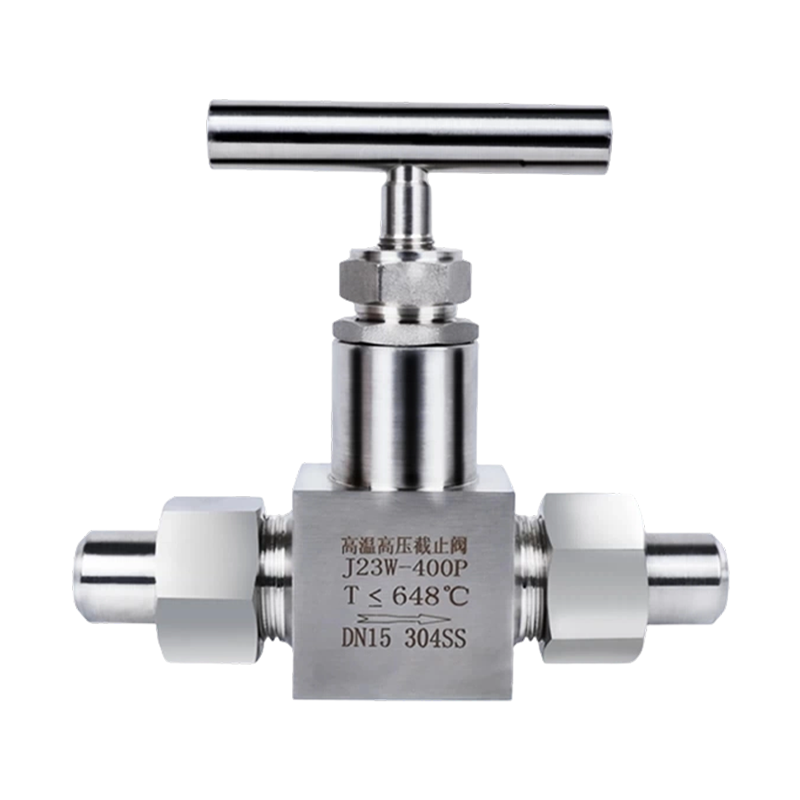
Una válvula de aguja utiliza un vástago roscado de paso fino con una punta cónica para ajustar el área del orificio con mucha precisión. Estas válvulas son comunes en bancos de pruebas hidráulicas, líneas de manómetros, circuitos piloto y aplicaciones de medición. El código del producto comunica la clasificación directamente: el sufijo 320P significa una presión de trabajo nominal de 320 bar y 400P significa 400 bar. Para un ajuste preciso del flujo en un circuito hidráulico de acero inoxidable, un válvula dosificadora de aguja de acero inoxidable de alta presión maneja tanto la aceleración como el cierre en un cuerpo compacto.
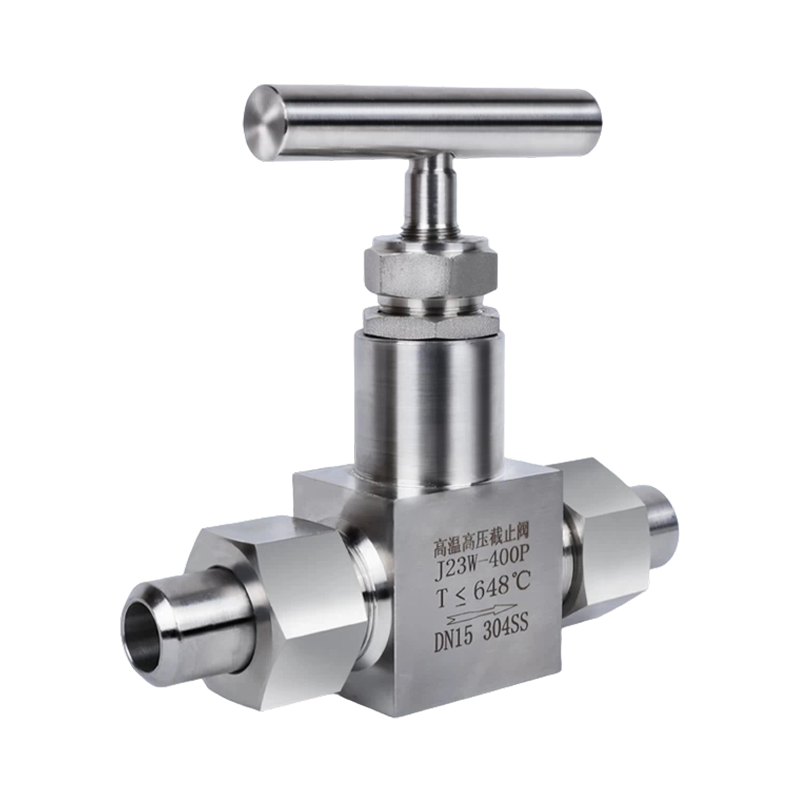 Venta al por mayor de válvula de globo de acero inoxidable J23W-400P 304, válvula de aguja (alta temperatura) Yancheng Yanye Hydraulic Parts Co., Ltd es una válvula de globo de acero inoxidable 304 J23W-400P personalizada de China, válvula de aguja (alta temperatura y alta... Ver producto →
 Un divisor de flujo divide un flujo de entrada en dos salidas casi iguales. Es una forma práctica de sincronizar dos cilindros sin un segundo bucle de control. La precisión de los divisores de tipo engranaje suele estar dentro de un pequeño porcentaje, dependiendo de la diferencia de carga entre las dos ramas.
Dos posiciones de instalación son importantes para el control de flujo. Medidor de entrada controla el flujo de suministro y se adapta a cargas resistivas. medidor de salida regula el retorno y es adecuado para cargas en exceso, como por ejemplo cilindros verticales, ya que evita que la carga se desplace por su propio peso.
Las válvulas de control direccional inician, detienen e invierten el movimiento de cilindros y motores. También seleccionan la ruta del aceite en un circuito.
El código 4/3 dice "cuatro puertos, tres posiciones". El primer número es el número de puertos en funcionamiento; el segundo es el número de posiciones de carrete. Una válvula 2/2 es una válvula de cierre simple, una válvula 3/2 sirve para cilindros de simple efecto y una válvula 4/3 con un carrete centrado en un resorte envía ambos puertos del cilindro al tanque en la posición media, lo que detiene el cilindro y lo deja descansar sin generar presión.
| Configuración | Número de puertos | Número de posiciones | Uso típico |
|---|---|---|---|
| 2/2 | 2 | 2 | Aislamiento simple de encendido y apagado |
| 3/2 | 3 | 2 | Cilindros de simple efecto |
| 4/2 | 4 | 2 | Cilindro de doble efecto sin posición de tope |
| 4/3 | 4 | 3 | Cilindro de doble efecto con tope neutral |
Una válvula de carrete es compacta, puede combinar muchas vías de flujo y se desplaza fácilmente bajo la fuerza del solenoide, pero no puede sellar completamente; una pequeña fuga atraviesa las tierras a alta presión. Una válvula de asiento sella herméticamente, razón por la cual se utilizan diseños de asiento y de retención operados por piloto para mantener cargas sujetas durante la noche. El precio es un cuerpo más grande y normalmente una vía de flujo por elemento.
La actuación determina lo que sucede cuando desaparece la energía. Una válvula solenoide de retorno por resorte regresa a su posición desenergizada, que puede estar normalmente abierta o normalmente cerrada según el modelo. Una válvula 4/3 centrada en resorte es una opción segura para una prensa: si falla la energía, el cilindro se detiene en su lugar en lugar de extenderse o retraerse sin control.
Las válvulas de retención y de cierre no son controladores ajustables; son dispositivos de seguridad y mantenimiento. Permiten que el aceite fluya en una dirección o aíslan completamente una sección del circuito.
Una válvula de retención permite el flujo en una dirección y lo bloquea en la dirección inversa. La presión de apertura es la pequeña presión necesaria para abrir el asiento, normalmente de 0,3 a 5 bar dependiendo del resorte. En los circuitos hidráulicos, las válvulas de retención evitan que la bomba gire hacia atrás, mantienen el sistema cebado y aíslan las ramas. Para sostener un cilindro pesado, necesita una válvula de retención operada por piloto, porque una válvula de retención estándar se abre bajo una pequeña presión inversa. un Válvula de retención de alta presión de acero inoxidable soldada y recta es la opción típica para líneas hidráulicas permanentes que no deben tener fugas.
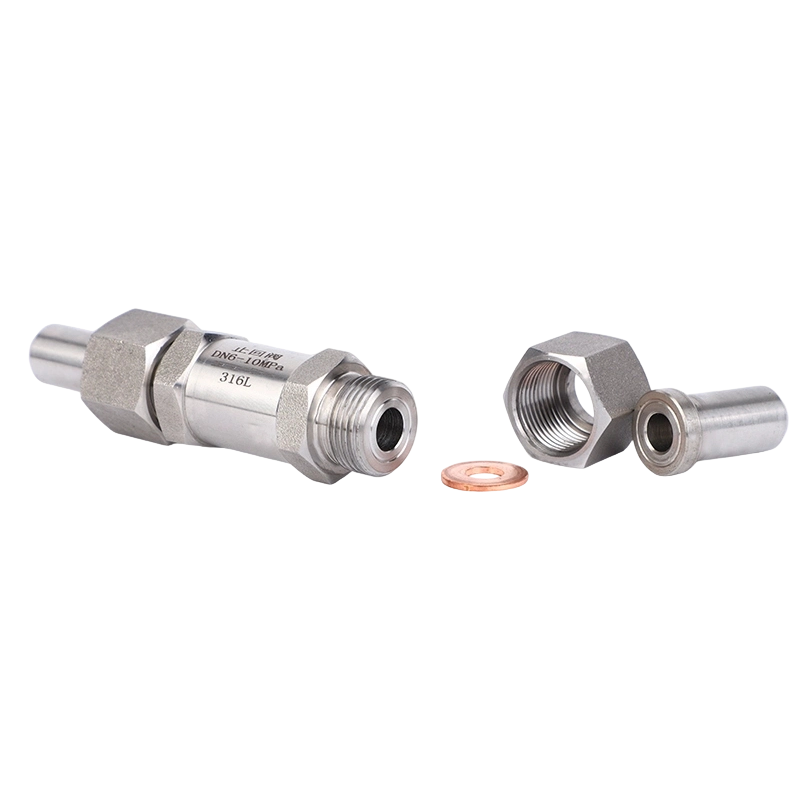 Válvula de retención al por mayor de acero inoxidable, Che de alta presión soldada directamente Yancheng Yanye Hydraulic Parts Co., Ltd es una válvula de retención de acero inoxidable personalizada de China, válvula de retención de alta presión soldada directamente, Z... Ver producto →
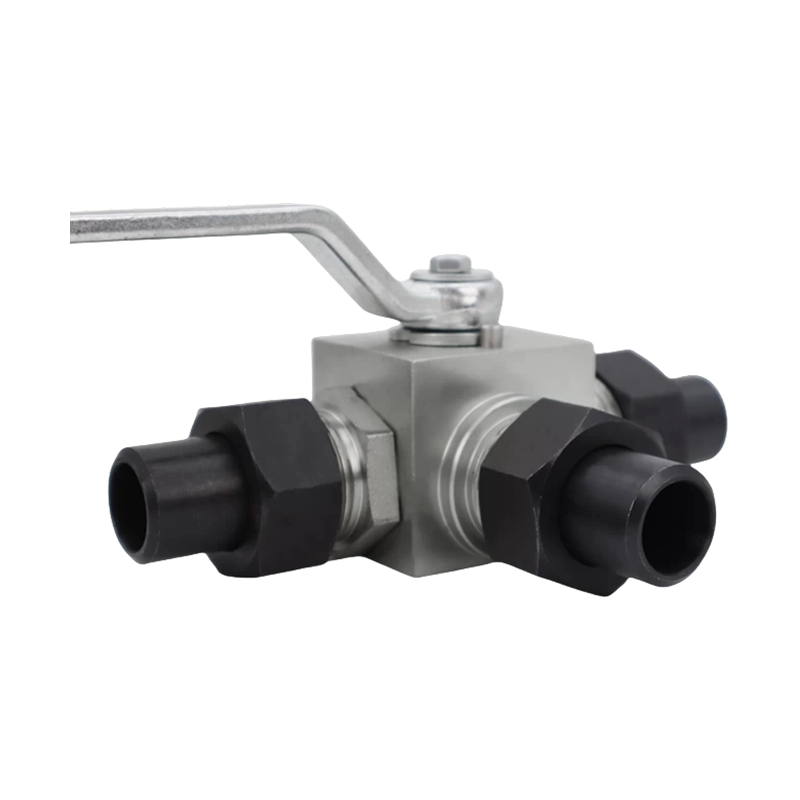
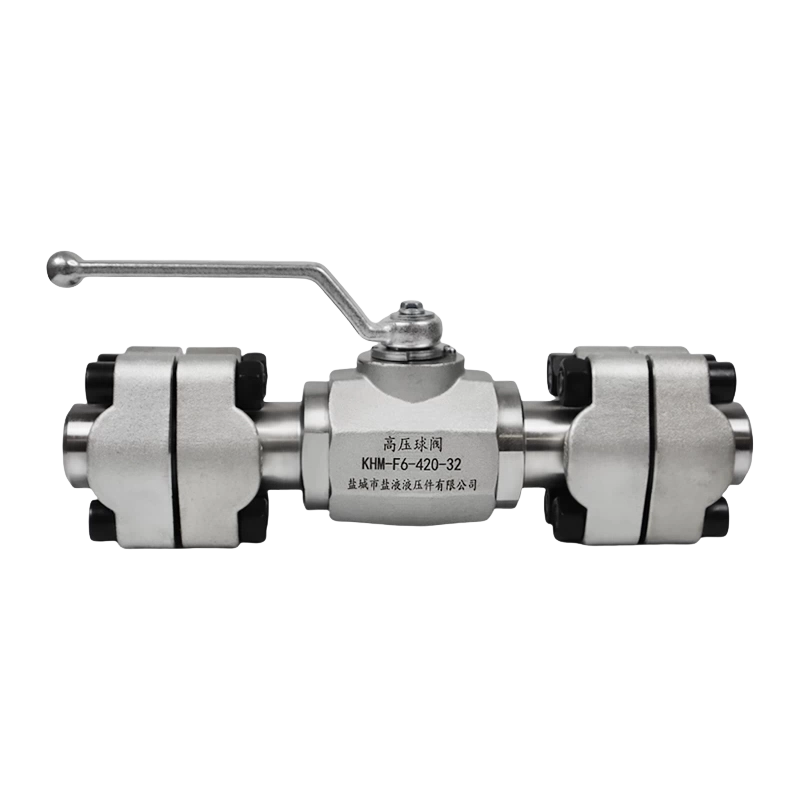
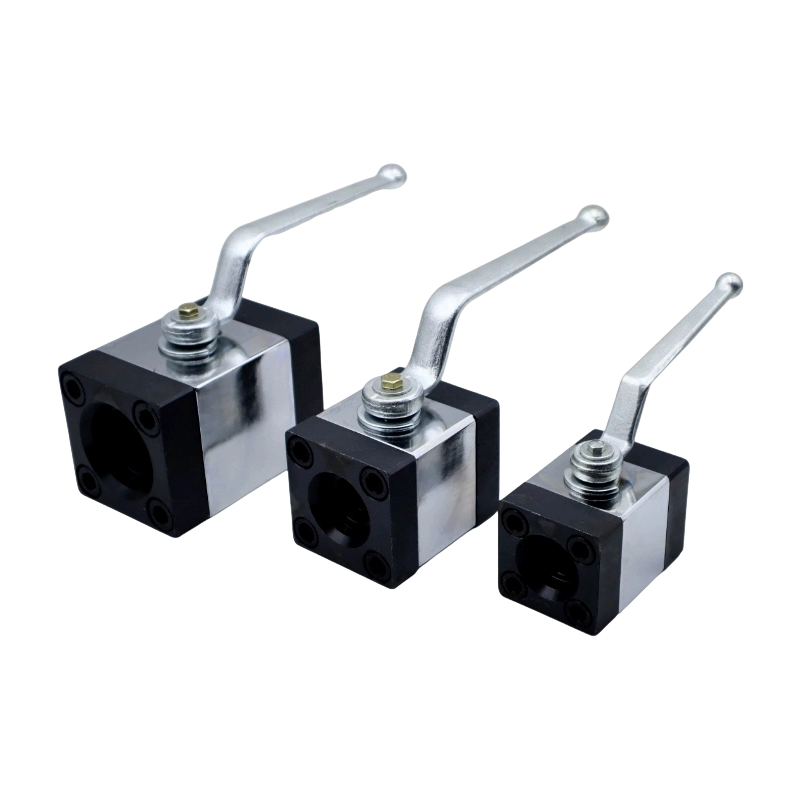
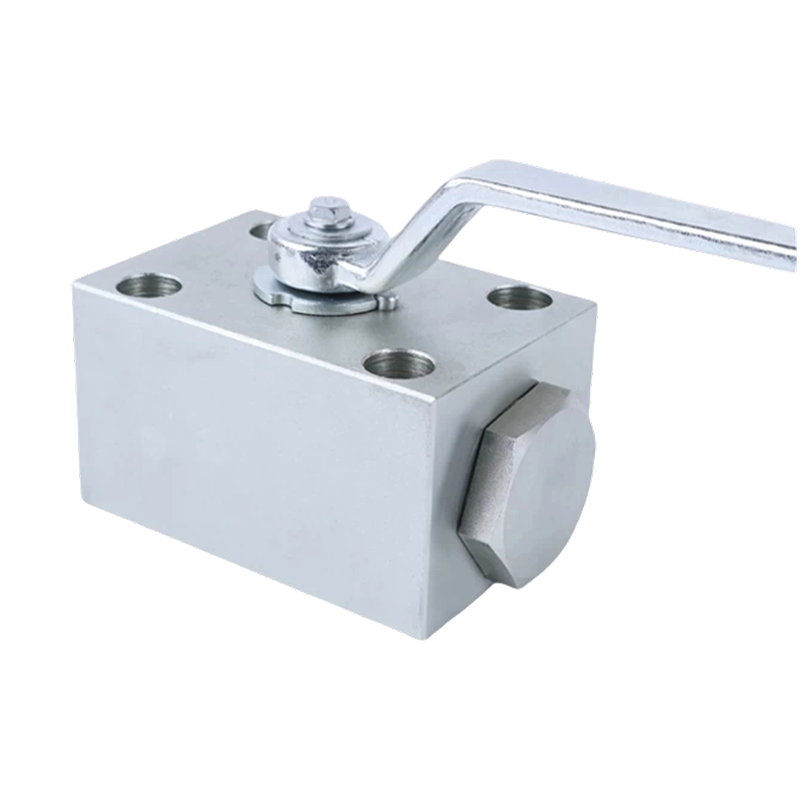
 Las válvulas de bola son válvulas de cierre de un cuarto de vuelta. El movimiento de noventa grados de la manija lleva la válvula de completamente abierta a completamente cerrada, lo que la hace ideal para el aislamiento rápido de una línea de presión antes del mantenimiento. La serie KHB/YJZQ, por ejemplo, utiliza roscas internas o externas y conexiones soldadas, y está disponible en acero inoxidable 304, acero inoxidable 316L o acero al carbono. Si necesita comprender con mayor profundidad los tamaños de los puertos, los materiales de los asientos y las clasificaciones de presión, nuestro Guía del comprador de válvulas de bola hidráulicas. recorre cada punto de selección. Como ejemplo práctico, un Válvula de bola hidráulica de alta presión serie KHB/YJZQ Cubre instalación roscada y soldada en una sola carcasa.
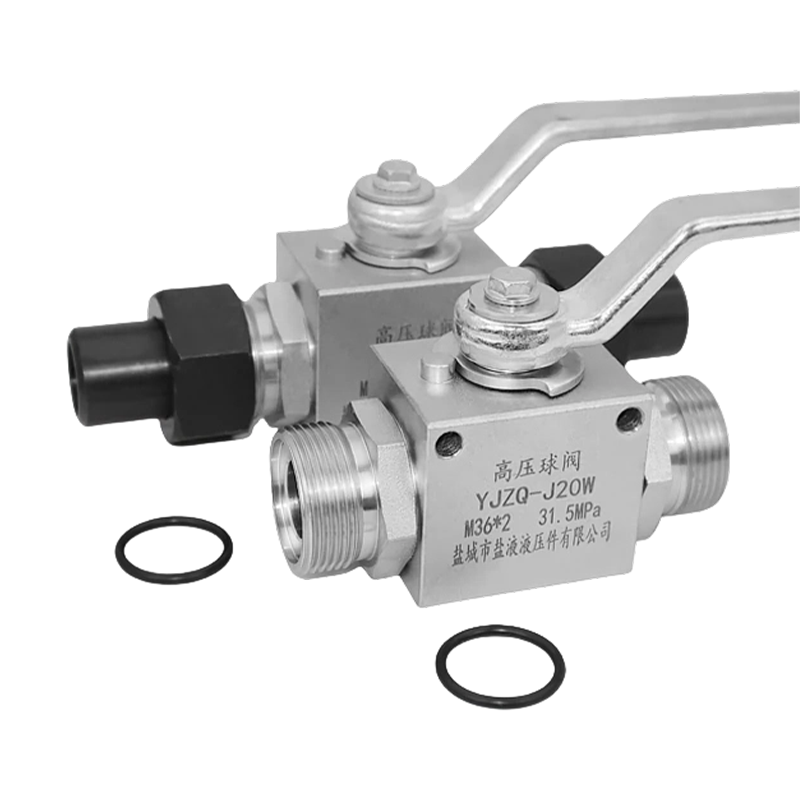 Venta al por mayor KHB válvula de bola hidráulica de alta presión YJZQ rosca interna/externa W Yancheng Yanye Hydraulic Parts Co., Ltd es una válvula de bola hidráulica de alta presión KHB personalizada de China YJZQ Bola soldada con rosca interna/externa... Ver producto →
 Nunca utilice una válvula de bola para regular el flujo. Una bola parcialmente abierta deja las superficies de sellado expuestas al aceite de alta velocidad, lo que erosiona el asiento y la bola y destruye la función de sellado de la válvula. Utilice un acelerador, una aguja o un control de flujo compensado para la regulación y mantenga la válvula de bola como un dispositivo de apertura y cierre puro.
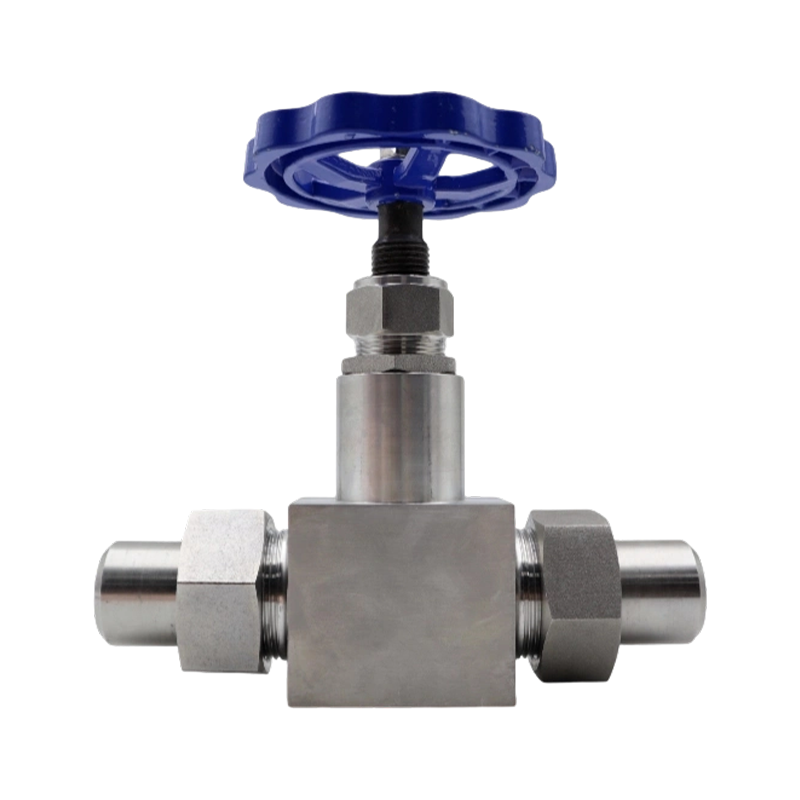
Las válvulas de compuerta brindan un paso total casi sin restricciones y son comunes en tuberías grandes, pero su funcionamiento es lento. Las válvulas de globo están diseñadas para estrangular a costa de una mayor caída de presión. Las válvulas de mariposa son compactas y livianas para tuberías de agua o aceite de baja presión y gran diámetro. Para los sistemas hidráulicos, las válvulas de bola siguen siendo la opción de aislamiento preferida porque combinan una clasificación de alta presión, una posición abierta o cerrada clara y un sello hermético.
Un mismo cuerpo de válvula puede comportarse de manera muy diferente según cómo se accione. La elección de actuación afecta el tiempo de respuesta, el comportamiento a prueba de fallos, el coste de instalación y la precisión del control.
| Actuación | Respuesta | Más adecuado para | Notas |
|---|---|---|---|
| palanca manual | Lento, dependiente del operador | Líneas de proceso, parada de emergencia | No se requiere energía |
| solenoide | Rápido, decenas de milisegundos | Automatización y control PLC | Limitado a flujos pequeños y medianos |
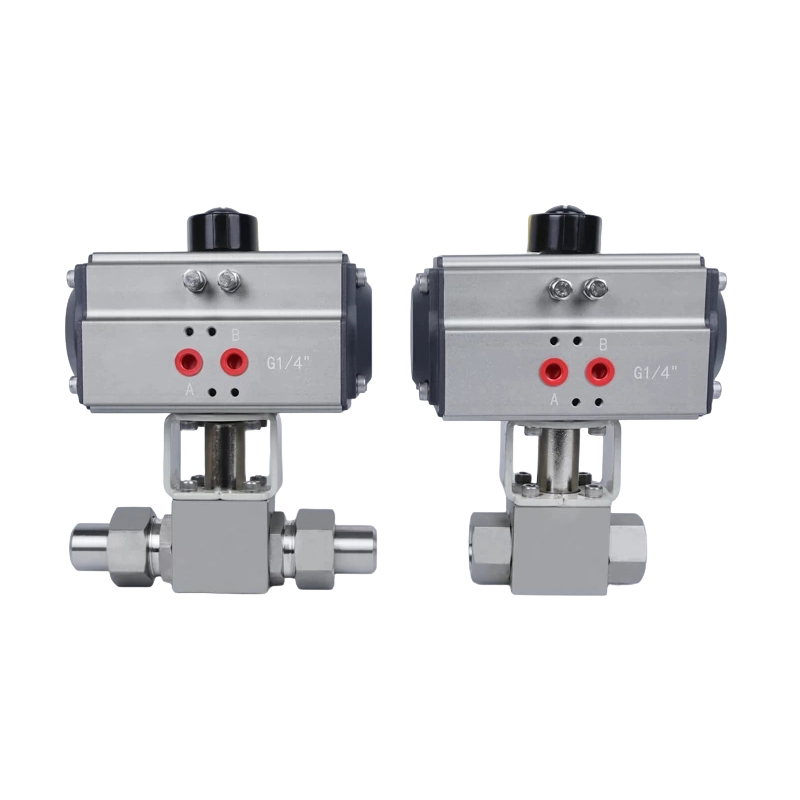
| Neumático | moderado | Caudales medios, instalación más sencilla | Necesita aire comprimido limpio |
| Piloto hidráulico | Rápido y potente | Grandes caudales, control remoto | La presión piloto debe ser confiable |
| Proporcional | Continuo, ajustable | Control de velocidad y fuerza en la automatización. | Mayor costo y mayor ajuste requerido |
Cuando necesite pedir o reemplazar una válvula hidráulica, revise esta lista de verificación en orden. Previene los tres errores de campo más comunes: presión nominal incorrecta, rosca de puerto incorrecta y clase de fuga incorrecta.
Como punto de referencia en el lado de cierre de los circuitos hidráulicos, el Principales ventajas de las válvulas de bola de alta presión. explique por qué esta familia domina las tareas de aislamiento en líneas hidráulicas y de gas.
La selección de materiales afecta la resistencia a la corrosión, el costo y la vida útil. El material de sellado es igualmente importante a alta presión, porque un sello endurecido o incompatible tendrá fugas mucho antes de que falle el cuerpo metálico.
| Material | Rango de temperatura | Más adecuado para |
|---|---|---|
| acero al carbono | Alta resistencia | Circuitos generales de aceite hidráulico con revestimiento protector. |
| acero inoxidable 304 | Buena resistencia a la corrosión general | Líneas adyacentes de agua, productos químicos y alimentos |
| acero inoxidable 316L | El molibdeno mejora la resistencia al cloruro. | Medios marinos, costeros y agresivos |
| Juntas NBR | -30 a 100 ºC | Aceites hidráulicos minerales estándar |
| Sellos FKM | -20 a 200 ºC | Servicio de alta temperatura y ésteres de fosfato. |
| Sellos de PTFE | -100 a 260 ºC | Productos químicos agresivos con soporte de sello mecánico |
El sufijo en un modelo de válvula comunica su clasificación: 320P y 400P denotan una presión de trabajo nominal de 320 bar y 400 bar respectivamente. Las válvulas roscadas de acero inoxidable suelen cubrir este rango. Para flujos más grandes, las válvulas de bola con brida SAE manejan un flujo alto a alta presión con una conexión que resiste la vibración y el desmontaje repetido.
Los estándares comunes de conexión hidráulica incluyen:
Una válvula hidráulica rara vez falla por sí sola. La suciedad, el calor, la cavitación y los ajustes incorrectos causan la mayoría de las fallas, y las revisiones periódicas mantienen un circuito predecible.
| Síntoma | Causa valvular más probable | Primera acción |
|---|---|---|
| Presión por debajo del valor establecido | Alivio set too low, or spool and poppet wear | Verificar con un medidor calibrado; recalibrar; luego revise el asiento de la válvula |
| Picos de presión y ruido | Alivio chatter or oversized directional valve | Ajuste la respuesta, verifique el tamaño de la válvula con respecto al flujo. |
| El cilindro se desplaza o cae | contrapeso or check valve leaking, or set too low | Ejecute una prueba de caída de presión; reasentar o reemplazar el elemento |
| Cambios de velocidad con carga. | Aceleración simple en lugar de un control de flujo con presión compensada | Reemplace con una válvula de control de flujo compensado |
| El aceite se sobrecalienta | Alivio passing continuously, or undersized throttle | Verifique la configuración del alivio; medir la caída de presión a través del acelerador |
Una rutina de mantenimiento anual para un sistema de válvulas hidráulicas debe incluir:
¿Qué válvula hidráulica controla la dirección de un cilindro? Una válvula de control direccional, normalmente una válvula de carrete posicionada mediante una palanca, solenoide o piloto hidráulico. Para un cilindro de doble efecto, la opción estándar es una válvula de 4/3 con un carrete centrado en un resorte.
¿Cuál es la diferencia entre una válvula de alivio y una válvula reductora de presión? Normalmente, una válvula de alivio está cerrada y limita la presión máxima del circuito. Una válvula reductora de presión normalmente está abierta y mantiene la presión aguas abajo en un valor establecido más bajo. No son intercambiables.
¿Puede una válvula de bola hidráulica regular el flujo? No. Una válvula de bola es una válvula de cierre. Abrirlo parcialmente erosiona la bola y el asiento y destruye la función de sellado. Utilice una válvula de control de flujo con estrangulador, aguja o presión compensada para la regulación.
¿Qué significa la marca 320P o 400P en una válvula? El número es la presión nominal de trabajo en bar: 320P corresponde a 320 bar y 400P a 400 bar. La letra P es un marcador de clase de presión utilizado en esta familia de válvulas.
¿Cuándo debo utilizar acero inoxidable 316L en lugar de 304? 316L contiene molibdeno, que proporciona una mejor resistencia a los cloruros, el agua salada y los productos químicos agresivos. Si el ambiente es costero o el fluido es corrosivo, el 316L es la opción más segura.
¿Por qué mi cilindro se desplaza cuando la bomba está apagada? Porque una válvula de carrete tiene fugas internas o una válvula de retención estándar se abre bajo presión residual. Utilice una válvula de retención operada por piloto o un elemento de cierre tipo asiento para mantener la carga.
Cada problema del circuito hidráulico comienza y termina en una válvula. Haga coincidir la clasificación de presión, elija la familia funcional adecuada y confirme el estándar del puerto, y eliminará la mayoría de las fallas antes de instalar la válvula.
Yancheng Yanye Hydraulic Parts Co., Ltd. fabrica válvulas de bola de alta presión, válvulas de cierre y de aguja, válvulas de retención y abrazaderas para tuberías utilizadas en circuitos hidráulicos, de gas natural y petroquímicos. Cuando necesite un componente para una clasificación de presión y un estándar de conexión específicos, comience con nuestra gama completa de válvulas de bola de alta presión, válvulas de retención y abrazaderas para tuberías hidráulicas .
Productos recomendados
Derechos de autor © YANCHENG YANYE HYDRAULIC PARTS CO., LTD. Todos los derechos reservados




 English
  русский
  Español